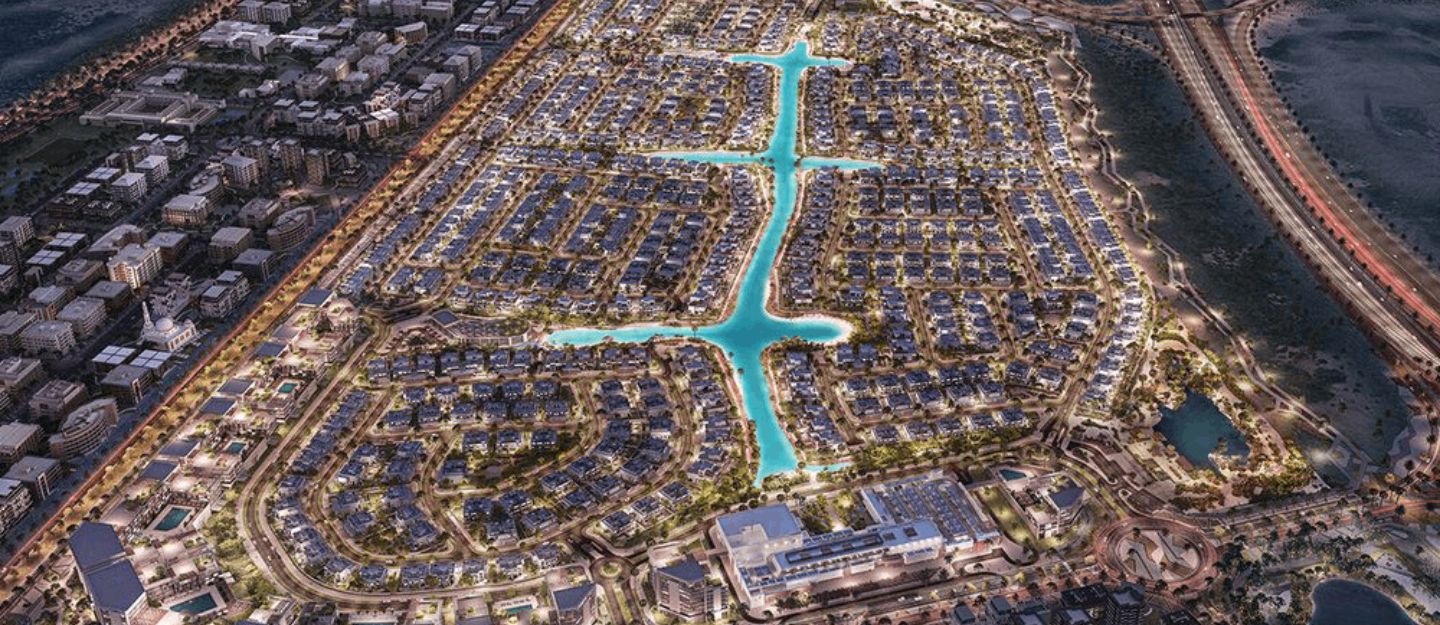
Look ahead to the 2026 housing market - villas are expected to deliver the strongest price increases and off plan homes in Dubai will form the largest new supply wave on record.
Dubai's housing sector is likely to keep rising through 2026 - the resident head count should reach 4.7 million plus solid population growth underpins demand. Price gains are slowing to a steadier ten percent but the shortfall of detached houses still lifts villa values far above apartment values. Navigating the sheer volume of offplan properties Dubai requires a keen understanding of supply dynamics and the ongoing construction delays that impact delivery.
Developers have scheduled 131 234 new units for 2026, an all-time high. Around four in every five of those units are apartments. Past data show that finished homes usually fall short of the headline number because work sites run late.

Investors looking at offplan properties Dubai must account for these potential revisions when planning their entry and exit strategies. Even with the large pipeline, the market still lacks enough villas - well positioned schemes ae met by resident as well as investor demand. Price growth is set to ease from the 19.8 percent recorded in 2025 to ten percent by late 2026, a pace most observers see as fair for long term health. This signals a phase of market normalisation that many experts believe is necessary for long-term sustainability. For those holding offplan properties Dubai, this environment provides a more predictable and stable backdrop for capital growth.
Villas and townhouses should again rise faster than flats, with forecast gains of 17.7 percent versus 7.4 percent. The reason is lifestyle demand plus a tight stock of landed homes, which are below twenty percent of all dwellings. Several villa tracts have trebled or quadrupled in price since the pandemic. As the daytime population heads toward 6.5 million, families keep chasing standalone houses. This creates a lucrative opportunity for those who secured offplan properties Dubai in the villa segment during earlier launch phases. Rents are near a ceiling - forecast growth is zero - capital gain becomes the sole driver of total return. The focus for 2026 is therefore on villas or townhouses, where supply is low and demand is firm.
Dubai's economy is expected to grow five percent in 2026, led by tourism, construction and financial services outside the oil sector. Inflation should stay mild at two percent, giving households plus companies an even backdrop. The government has approved its largest budget cycle ever, with transport, health and digital services as priorities. The Etihad Rail passenger line will link the emirates - the Dubai station is planned for Jumeirah Golf Estates, which will likely boost the value of nearby offplan properties Dubai. Those steps fit the Dubai Plan 2033 but also the D33 drive for long range expansion. Office values are projected to rise fifteen percent because almost no new prime stock is coming. Strong commercial uptake pulls in talent and firms - demand for good housing should stay intact.





.png)

.jpg)
%20(1).png)
.svg)
.svg)
