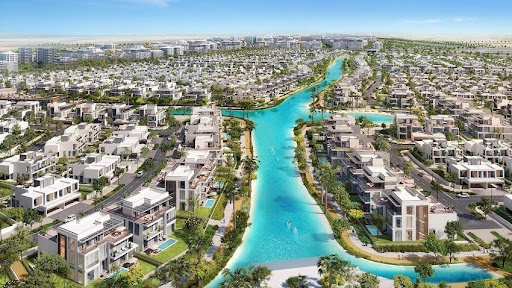
Navigate the performance gap between landed property and vertical living to identify the best opportunities for property investment in UAE.
The Dubai residential sector now shows structural maturity - it left speculative swings behind and now rests on steady demand. Overall conditions calm down but villas pull ahead while apartments lag. Navigating this split is fundamental for anyone looking to optimise their property investment in UAE as we approach the 2026 supply surge.
Landed units remain scarce - construction failed to match population growth. Forecasts show villas and townhouses will again beat apartments in 2026, with prices expected to rise 17.7 % against 7.4 % for flats. Detached homes draw the strongest bids but they form under one fifth of total stock.
Some villa enclaves doubled in value since the pandemic - a few prime spots quadrupled. The imbalance lifted off plan villas to the status of "investor goldmines". Investors chase the lack of free plots in corridors like Jumeirah Islands besides Palm Jebel Ali.
The 10-year Golden Visa adds thrust - it built a "sticky" buyer pool that values long term residence and asset build up over quick resale. Even with 131 234 new units slated for 2026, villas keep price strength.
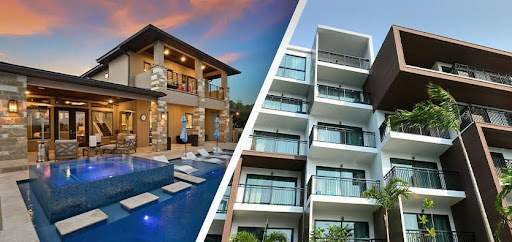
Villas win on capital gain but flats deliver higher gross rent, near 7.07 %. By late 2025, advertised apartment rents rose twice as fast as villa rents as certain villa clusters hit price ceilings. This "catch-up" pattern stems from flats forming 80 % of stock and serving a wider tenant base.
Mid-tier complexes like Remraam or Dubai Silicon Oasis logged some of the sharpest annual rent jumps. Low entry cost, main road links and future Blue Line metro stops feed demand. For buyers who target cash flow, those full occupancy zones give steady income and brief void periods.
The large batch of scheduled apartment handovers may weigh on quoted rents in dense pockets. Jumeirah Village Circle next to Business Bay will release a notable share of new keys. Owners must stand out through top grade fit-outs or distinctive building specs to keep an edge.
Branded homes spread fast - they now trade at a 42 % premium to non branded stock. Projects tied to global names like Bulgari or Dorchester Collection signal quality to overseas buyers. Hotel grade services and ultra lux facilities lure wealthy tenants.
Tech integration turns into a baseline for 2026 - aI-run "connected homes" systems bring predictive climate control and facial recognition security. Tenants see those not as extras but as standard wellness and convenience tools.
Sustainability also shifts from box ticking to value driver - developments that secure LEED certification cut running costs by 20-30 % versus standard builds. Choosing a sustainable project is a vital step in future-proofing a property investment in UAE against changing global standards.
With thousands of units on the way, developer name serves as the main risk filter. Emaar Properties stays the "gold standard", handing over 95 % of projects on schedule and carrying the largest market cap. Its schemes usually price 15-20 % above the area mean and beat average capital growth.
Sobha Realty wins praise for its "backward integration" set up, managing every supply chain step in house. The result is high finish quality and overseas funds favour its estates. Other builders suffer long delays - buyers must check RERA-verified completion ratios.
The right choice of builder and asset class hinges on personal targets. A signature villa suits capital preservation - an executive flat suits high yield cash flow. Strategy decides the outcome. As Dubai heads toward a 4.7 million population, precise moves will earn the payoff when it comes to considering property investment in UAE.





.png)

.jpg)
%20(1).png)
.svg)
.svg)
