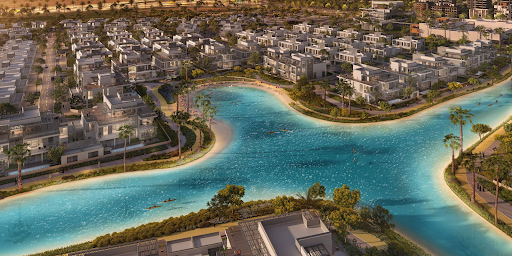
Dubai South is fast becoming the core of the Aerotropolis and a top location for strategic property investment in the UAE. The city's geographic and economic centre is moving south, fixed to the large expansion of Al Maktoum International Airport. By the end of 2026, the district's built out infrastructure is expected to push tenant demand higher, in line with the 2040 Urban Master Plan. This strategic evolution has positioned the district as a premier choice for those seeking high-yield property investment in UAE.
The AED 128 billion enlargement of Al Maktoum International Airport (DWC) is the main source of long term value in the southern corridor. The airport is forecast to serve 260 million passengers each year plus to draw more than one million new residents. This steady inflow will keep pressure on the supply of homes.
As roads, utilities and terminals move from plan to finished form, the "speculation premium" is replaced by real utility. Observers expect capital values to climb by 25 % or more once the next construction phase is complete. Units close to the future world's largest airport already lure multinational firms and a stable tenant pool of aviation staff.
The district is no longer a fringe "future play" - it is now essential for both institutional but also private buyers. Permanent jobs at the airport will feed a resident population that does not depend on seasonal tourists. By late 2026, the global shift of airline operations to DWC will be under way, anchoring the local economy further.
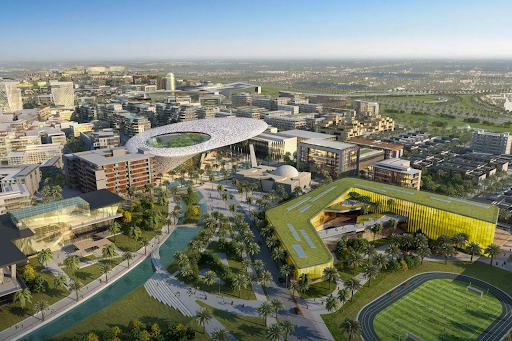
Dubai South gains strength from a network that links air, sea and land. Etihad Rail and the planned Metro Blue Line give a "tri-modal" advantage - fast reach to air cargo, Jebel Ali sea port as well as national rail hubs. Homes within walking distance of future rail stops are forecast to rise in value by 20 % to 30 %.
The Metro Blue Line extension is a lead signal for future price growth. Units near stations have historically beaten the city wide index - cutting travel time to hubs like DIFC. Rents on those units could add 2 % to 4 % as the 2029 opening nears.
The district also tests robotaxis and vertiports under the 2030 mobility plan. Wealthy buyers already seek plots close to those time saving links, a "invisible" force that lifts both status and off plan sales.
Data-focused buyers treat Dubai South as a high yield pocket where gross rents reach 6 % to 8.5 %. Those numbers outpace Downtown Dubai, where rent ceilings are now visible. Entry prices here sit below the city mean - the "early-mover" chance is clear.
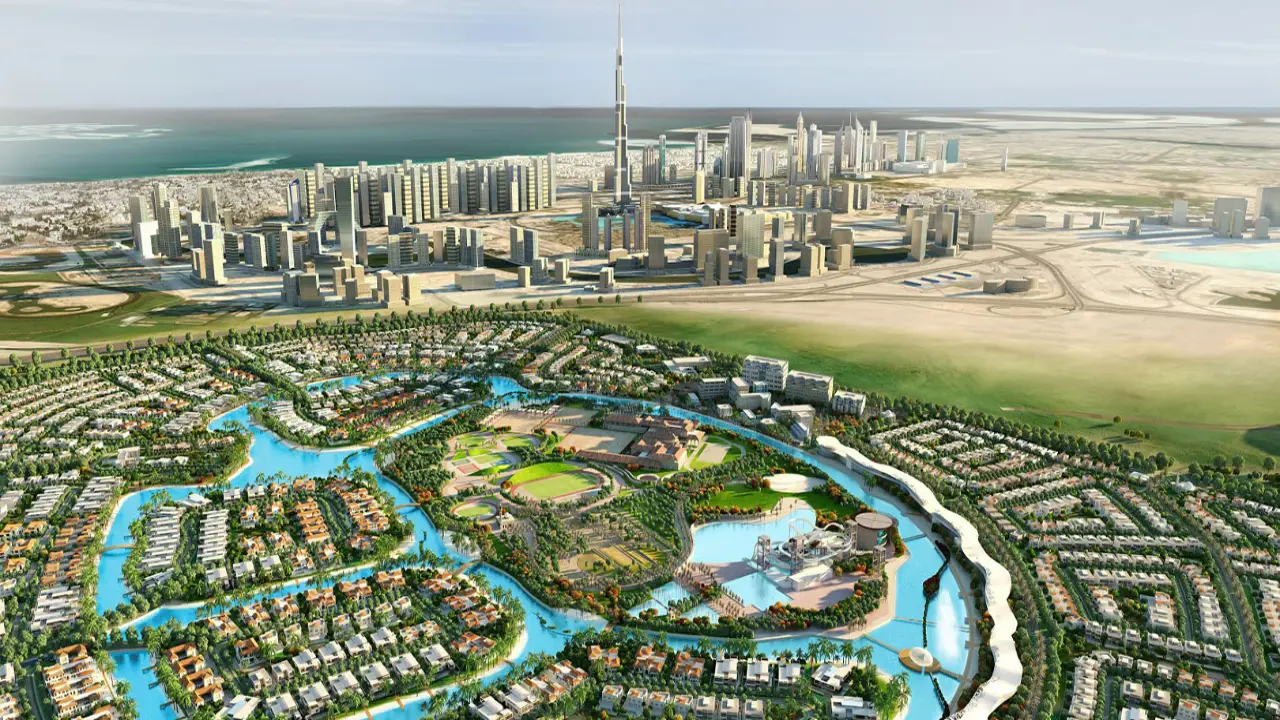
South Bay is one example - it offers low entry cost but follows a master plan that ranks with the best in the city. Buyers secure villas or townhouses with high end fixtures and strong upside. Retail cores and parks are already mapped next to funded.
South Bay frames a 3 km crystal lagoon and will hold 800 villas and townhouses. The project is shifting from "affordable" zone to premium address - prices rose 18.8 % in twelve months. A 60/20/20 payment plan gives a "yield-shield" that keeps cash free during the first letting years.
The Free Zone allows 100 % foreign ownership - in 2026, the UAE will add tax breaks for firms that run research plus development, a move set to pull tech companies and their staff to the Aerotropolis.
Investors who choose a property investment in UAE with a minimum value of AED 2 million qualify for a 10-year residency.
Although new supply will enter the city through 2026, Dubai South is forecast to stay firm. Its lower ticket size and the real demand from aviation jobs form a "floor" under prices. For professional buyers, the numbers show both solid rent today but also a shield for capital tomorrow.



.png)

.jpg)
%20(1).png)
.svg)
.svg)
